TrexPro® Platinum Installer
TimberTech® Gold PRO Contractor
BBB A+ Accredited
Building Since 2012

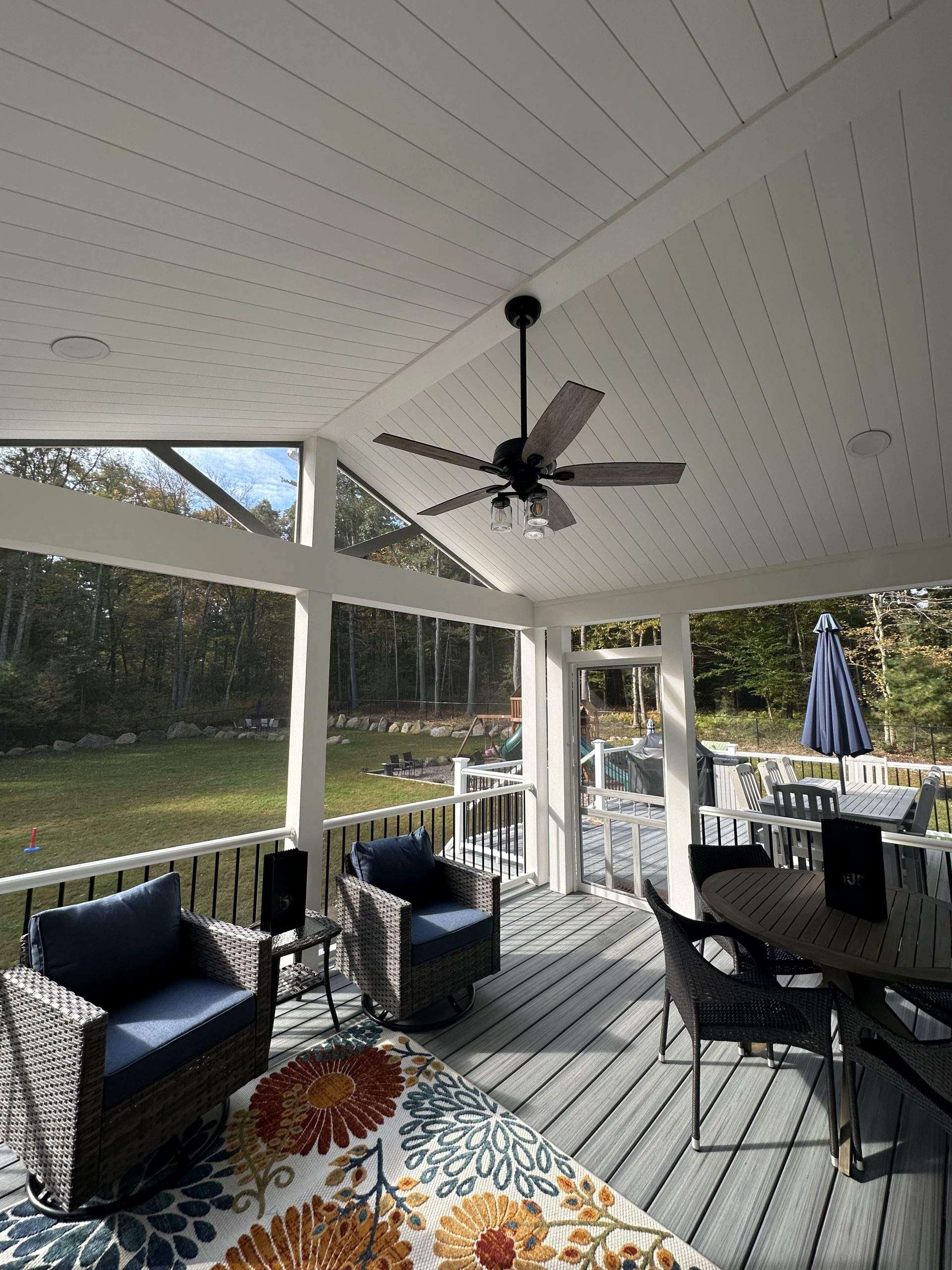
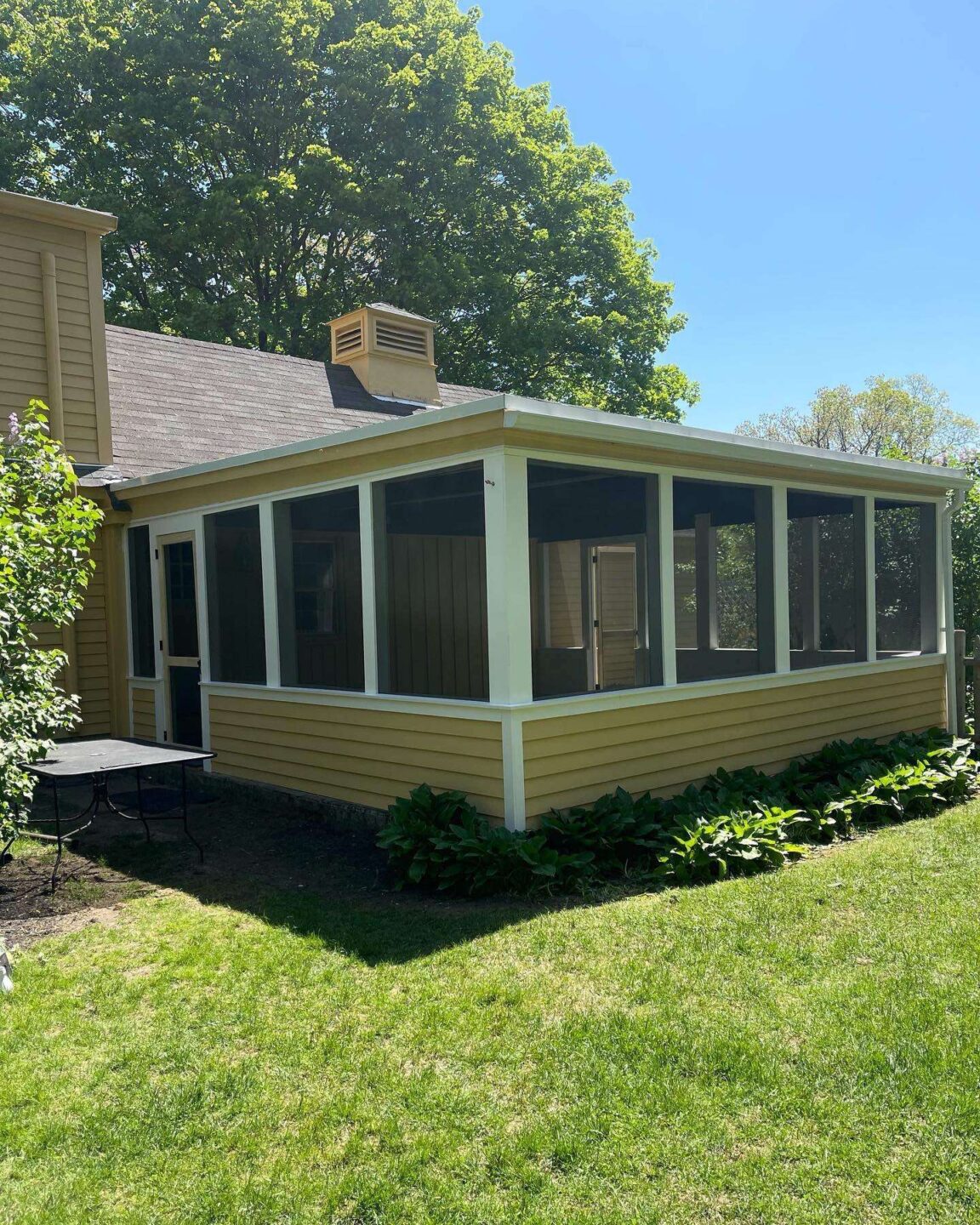
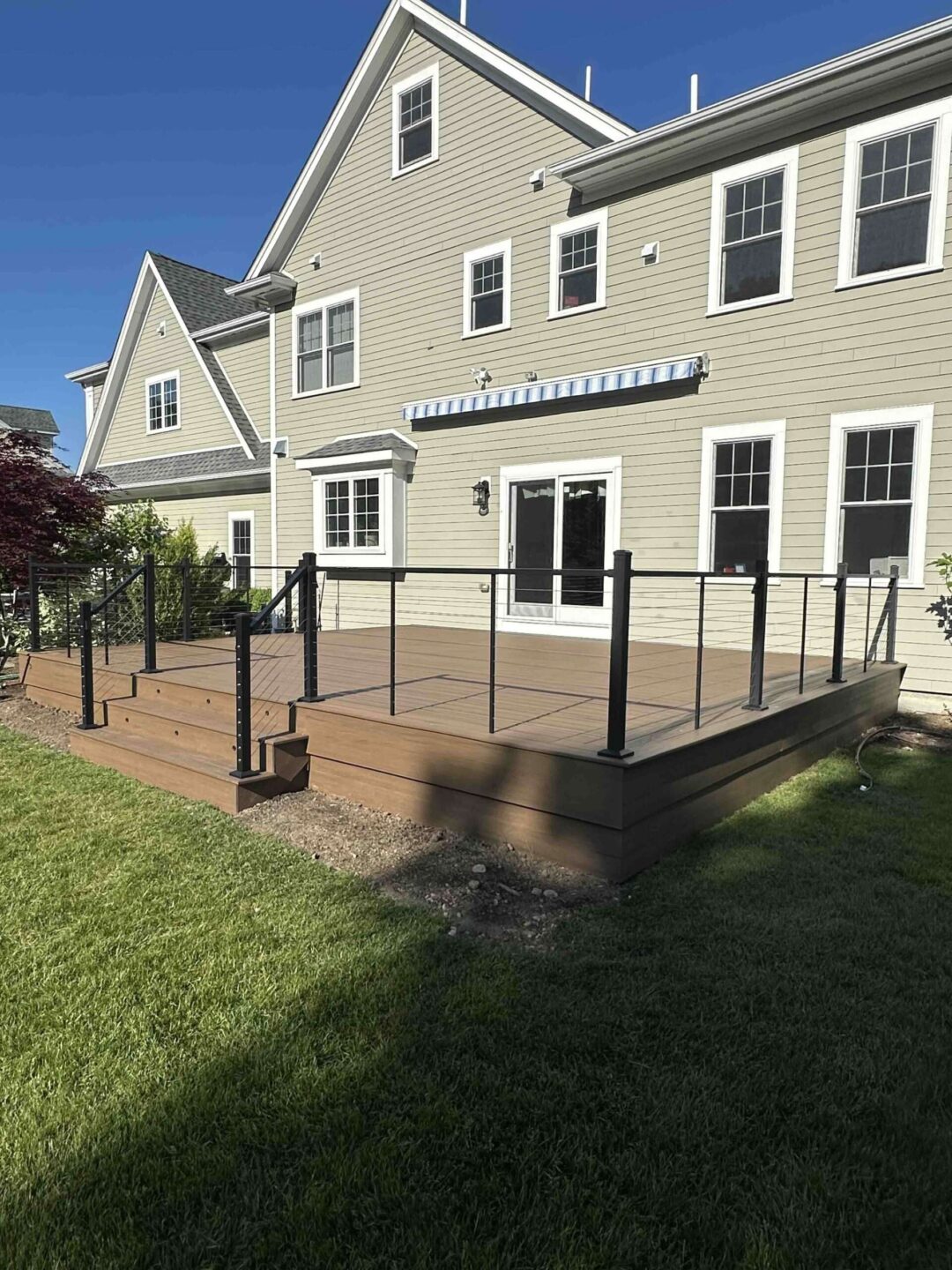
Connecticut's frost line is 42 inches statewide and towns cannot adopt a shallower standard, so every footing carrying deck load bears at that depth. Whether you can reach it easily is a different question here, because Stamford sits in the western Connecticut uplands rather than the Central Valley. USGS mapping draws that distinction directly: metamorphosed rock of sedimentary origin underlies the upland surface of western Connecticut, while the adjacent central lowland is unmetamorphosed sedimentary rock. In practice that means schist and gneiss under Stamford, and CT DEEP describes gneiss as the characteristic rock of the uplands. Glacial till sits over it as a thin and inconsistent mantle. North of the Merritt the ground gets steeper and rockier, and on a lot in North Stamford the realistic question is not how deep the footing goes but whether the hole reaches 42 inches at all before it finds rock. That is workable, since the code accepts a footing bearing on solid rock as an alternative to frost depth, but it changes the excavation plan and it should be established before the design is fixed rather than discovered on the first day.
The review layer is where Stamford differs from the rest of the state, and it is worth understanding before a project starts. Most Connecticut towns split these functions across separate bodies. Stamford consolidates them into one: the Environmental Protection Board, sitting within the Land Use Bureau, administers the Inland Wetland and Watercourses Regulations, the Coastal Area Management Regulations, the Flood Prone Area Regulations, and the Soil Erosion and Sediment Control Regulations. The same board maintains the city's maps of delineated wetlands, watercourses, and upland review areas. Which set of rules applies to a given deck depends on where the property sits. Stamford is one of the coastal municipalities named in Connecticut's Coastal Management Act, but only part of the city lies inside the coastal boundary, and inside that boundary a town cannot issue a building permit or certificate of occupancy without written certification that coastal site plan review has been completed or that the activity is exempt. Away from the water the inland wetlands regulations govern instead, with the upland review area rather than the coastal boundary setting the trigger. State legislative research also notes that Stamford is among the towns calling for setbacks from bluffs and watercourses.
Load and exposure round it out. Connecticut's design values put ground snow at 30 pounds per square foot with a winter design temperature of 7 degrees and severe weathering, which is materially lighter than the Massachusetts markets an hour and a half north. Wind is the variable that runs the other way. A deck near the Sound sits in a different exposure than one tucked into the hills north of the Parkway, and salt-laden air reaches further inland than most homeowners expect. It shows up in the hardware rather than the boards: connectors, fasteners, and railing components need corrosion resistance specified for the exposure rather than defaulted.
Deck, porch, and outdoor living construction for Stamford and lower Fairfield County.
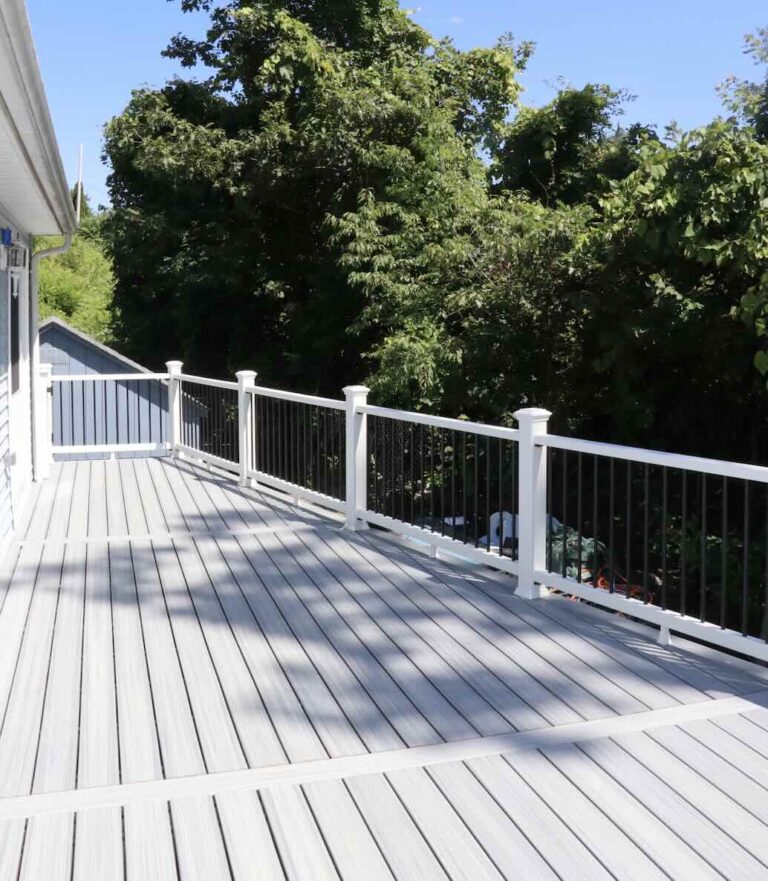
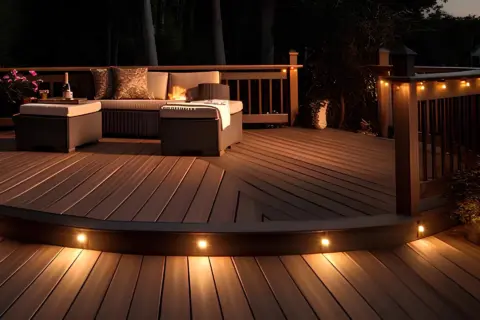
Custom decks in wood, composite, and PVC, designed around your home's grade, exposure, and how you actually use the yard.
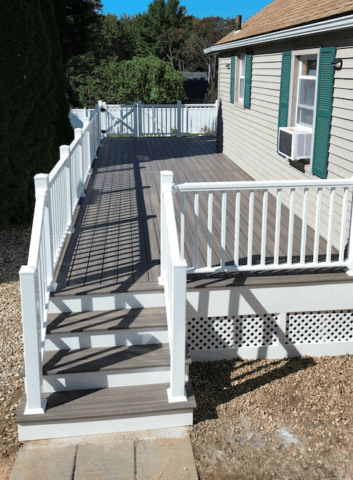
Trex and TimberTech composite surfaces that hold colour and resist moisture without a refinishing cycle.
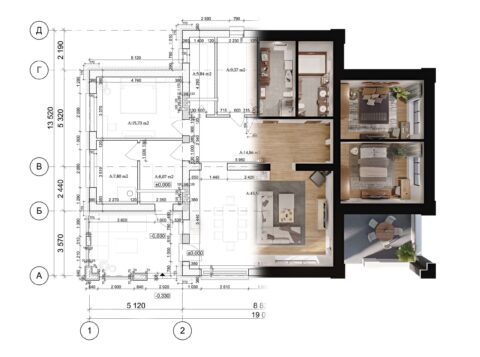
Structural plans and detailing, including the drawings an Environmental Protection Board filing will require where a property sits in a wetland upland review area or inside the coastal boundary.
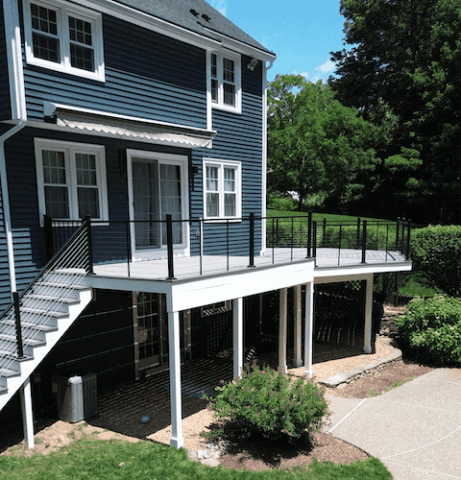
Design consultation, 3D rendering, permitting, footings, framing, and construction handled end to end.
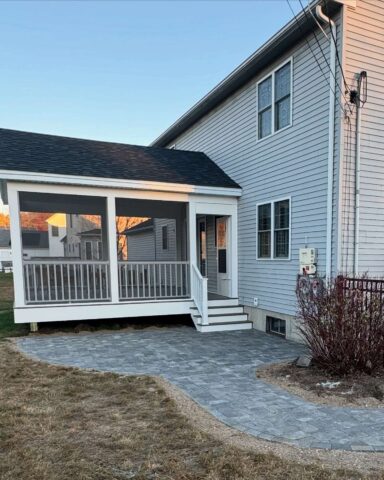
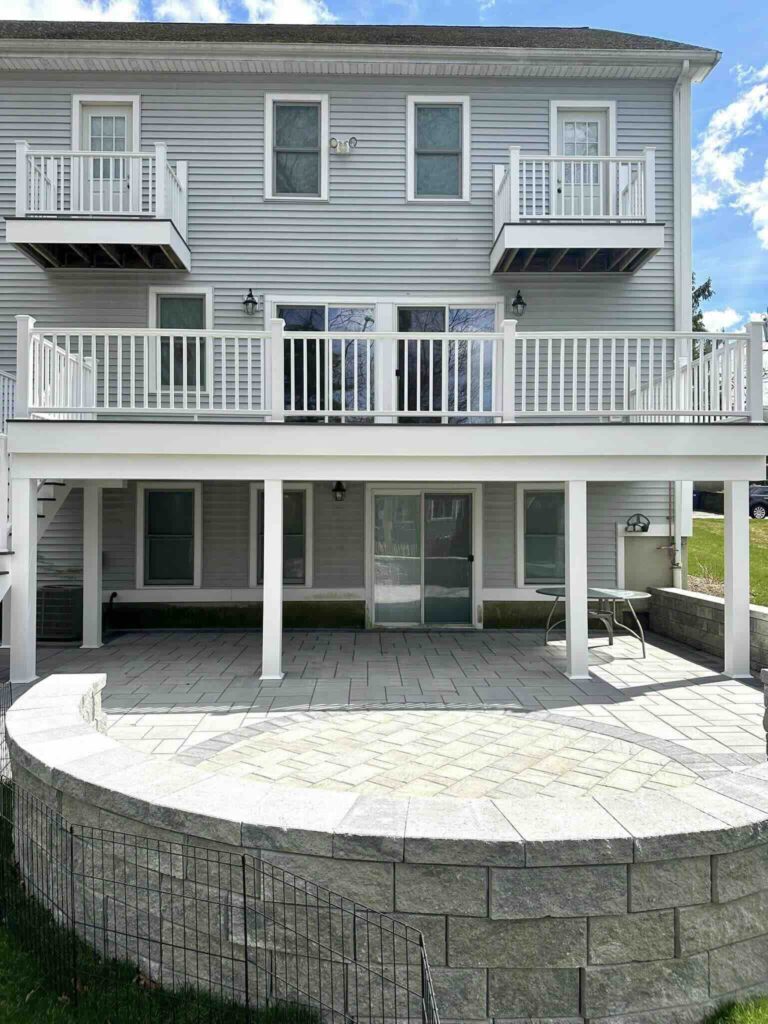
Where the lot falls away sharply, splitting the structure across levels keeps a long stair run from consuming the usable yard.
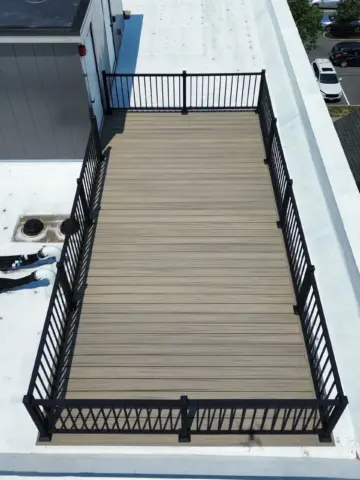
Wood, composite, aluminum, glass, and cable systems, with hardware specified for the exposure the deck sits in.
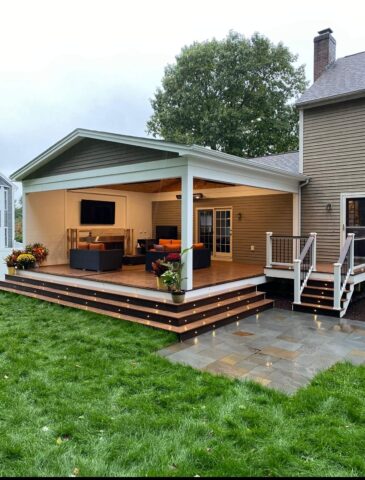
Roofed outdoor space built with posts and footings sized for roof load on top of snow and wind load.
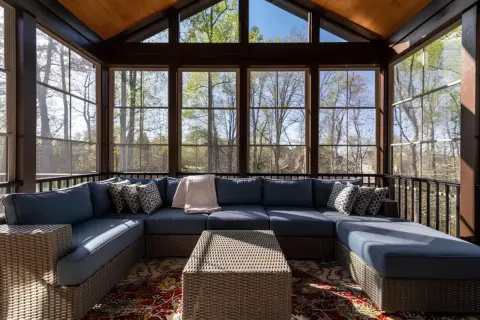
Screened space that extends the season on both ends.
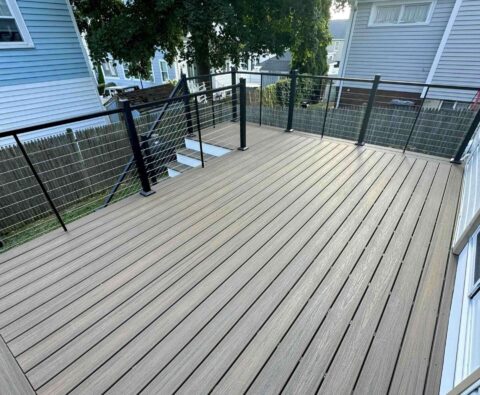
Structural assessment and repair for decks showing settlement, ledger rot, or footings that never found bearing.
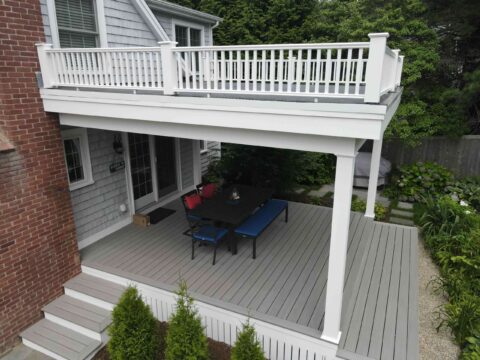
Gutter-and-channel systems that turn the space beneath a raised deck into dry, usable outdoor living area.
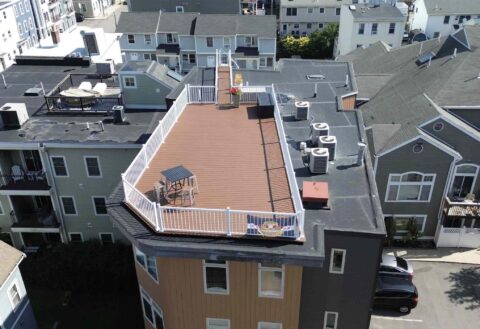
Decks and rooftop structures for Worcester businesses and multi-family properties, built to commercial standards.
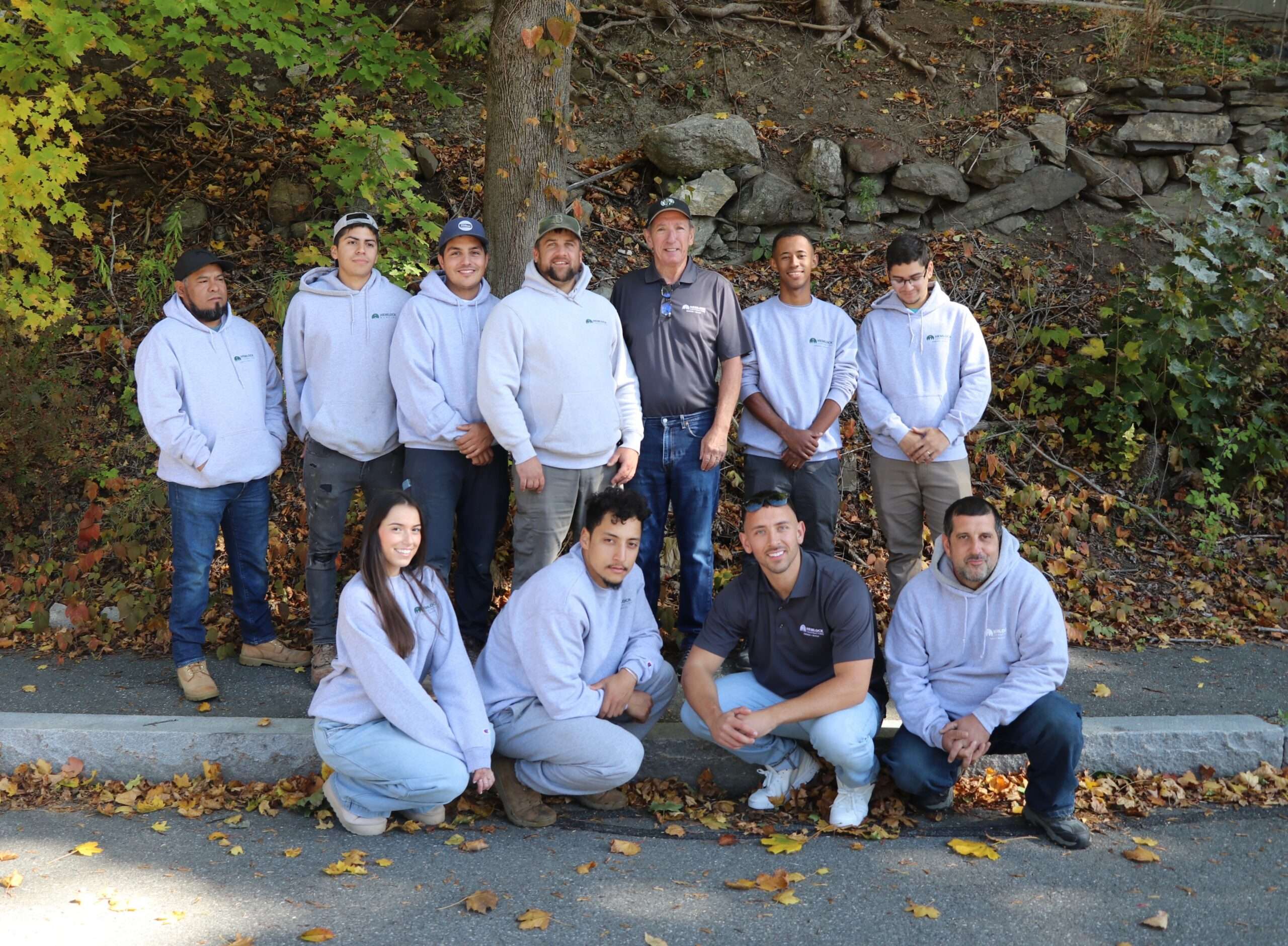
Hemlock is a second-generation carpentry business. The owner started under another contractor in his late teens, went into business with his father, and over time narrowed the company from general contracting down to exteriors and then to decks, porches, and outdoor living. The company has been building since 2012. A design and plastics background sits behind that, including work with extrusion, the process that produces the composite boards most of these decks are built from. Understanding a material from the manufacturing side is uncommon in this trade and it shows up in how things get specified.
Warranty. Materials are covered by the manufacturer's warranty, which runs with the product and is issued by Trex, TimberTech, or whichever brand is specified. Workmanship is covered separately by us: one year on base-level materials and three years on premium materials. Those are two different things and we keep them described separately so there is no confusion about who stands behind what.
Serving Stamford and the surrounding towns, including Darien, New Canaan, Greenwich, and Norwalk.




