TrexPro® Platinum Installer
TimberTech® Gold PRO Contractor
BBB A+ Accredited
Building Since 2012

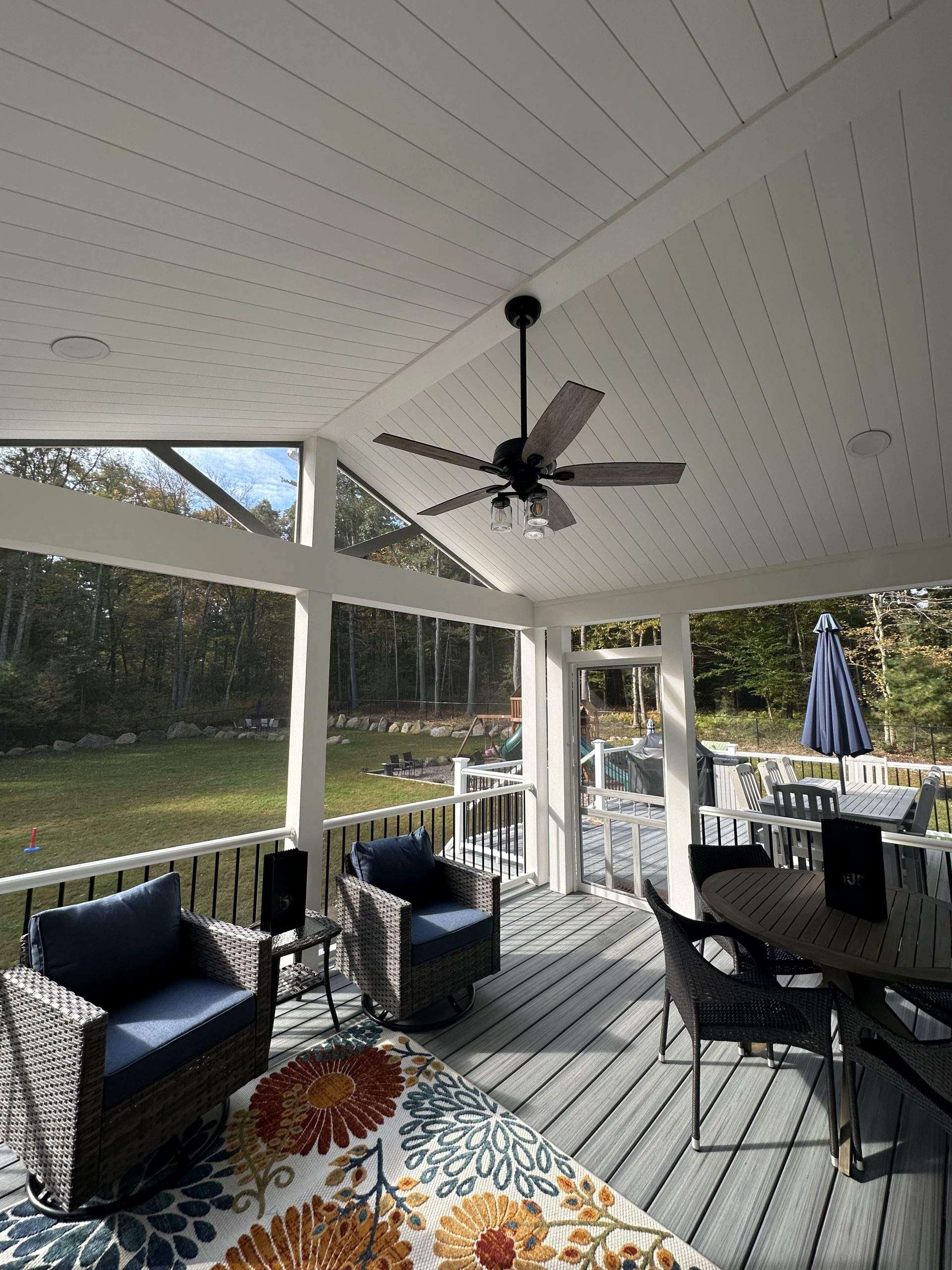
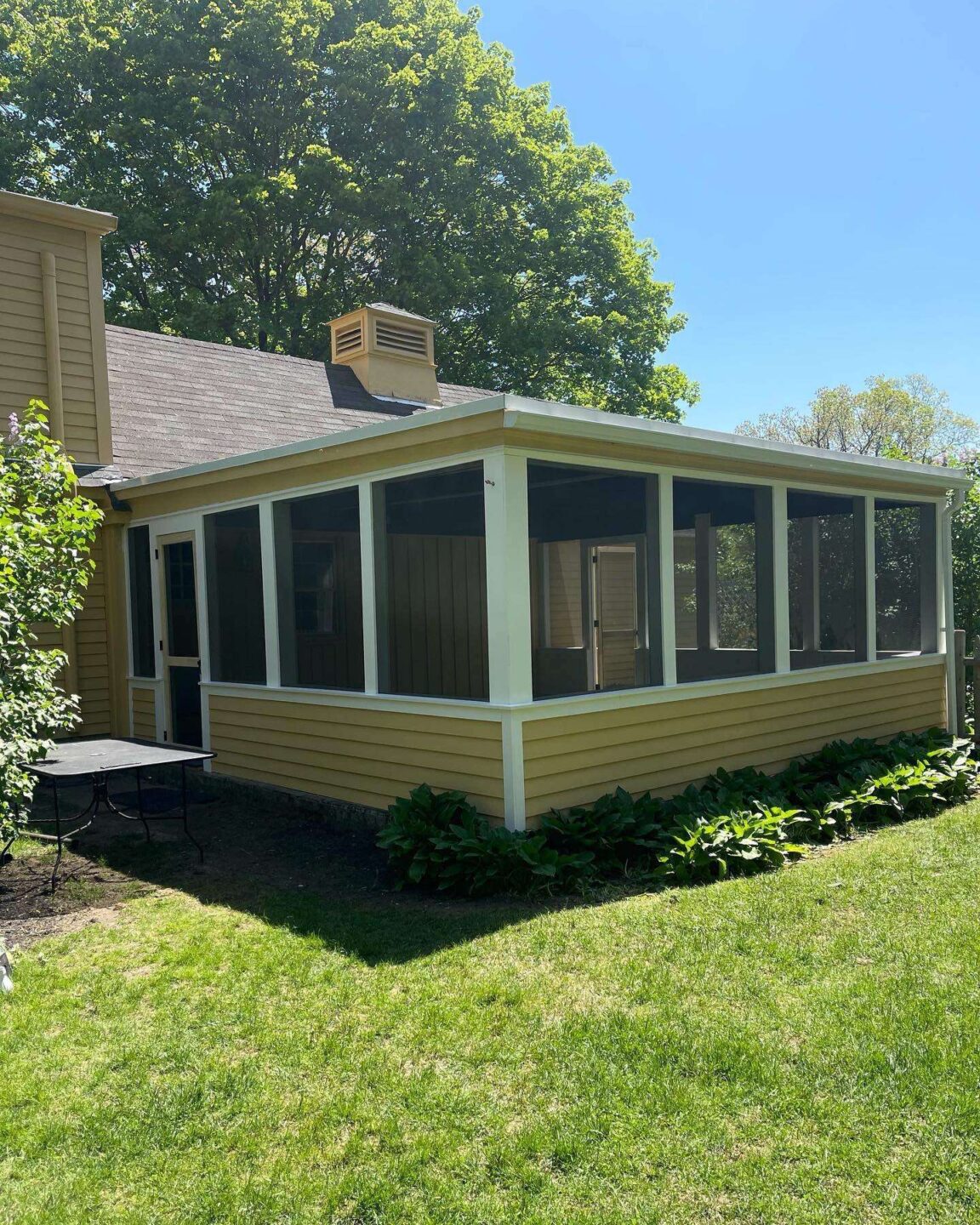
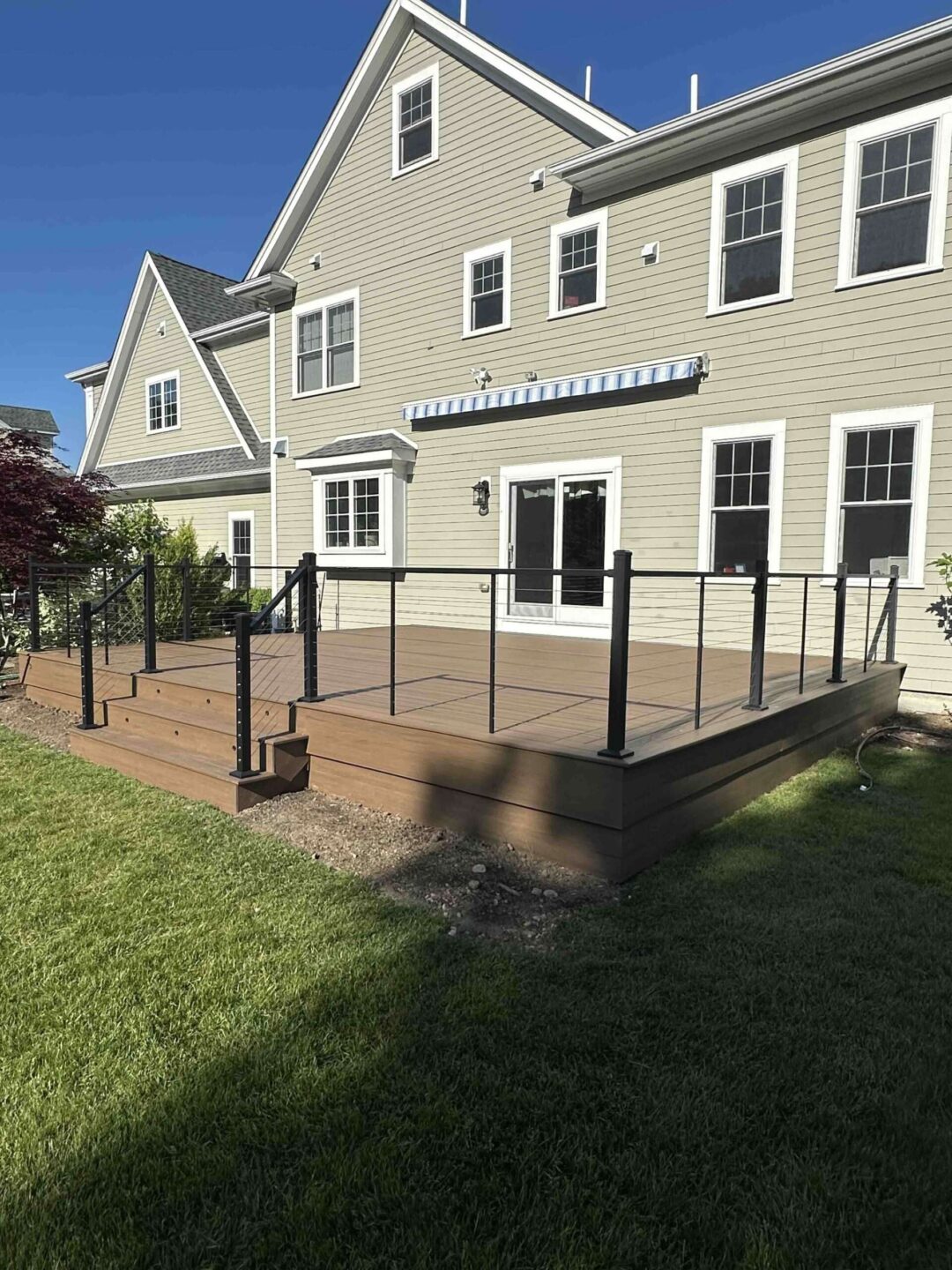
Connecticut sets its frost line at 42 inches and does not let towns adopt a shallower standard, so every footing carrying deck load bears at that depth. What varies enormously in New Haven is what the footing lands on, because few Connecticut cities cover this much ground vertically. CT DEEP's surficial geology mapping of the New Haven and Woodmont quadrangles records elevations running from sea level at the Long Island Sound shoreline to roughly 570 feet at the summit of West Rock Ridge, all inside the same municipality. Till covers much of the area, but the same mapping notes that over many of the ridges and hills it is thin or absent entirely. Up against East Rock or West Rock, the trap rock is close to the surface and a footing may find ledge well before 42 inches. Down toward the harbor and the tidal flats the picture inverts, with softer reworked sediment and a water table close enough to matter. Two projects three miles apart in this city can require completely different foundation approaches.
The coastal layer is what makes New Haven procedurally different from anywhere inland. Under the Connecticut Coastal Management Act, any structure located fully or partially within the coastal boundary is subject to coastal site plan review, and the statute is direct about the consequence: a municipality may not issue a building permit or certificate of occupancy for such a structure without written certification that it has been reviewed and approved, or that it qualifies as an exempt activity. The Act allows municipalities to exempt certain minor activities, but only where those exemptions have been formally adopted into the town's own zoning regulations, which means the answer differs town to town along this shoreline. The Act itself sets no universal setback from the water, though individual towns do. The practical effect for a homeowner is that on a coastal-boundary property the building permit is not the first approval in the sequence, it is the last one, and the coastal review governs the timeline.
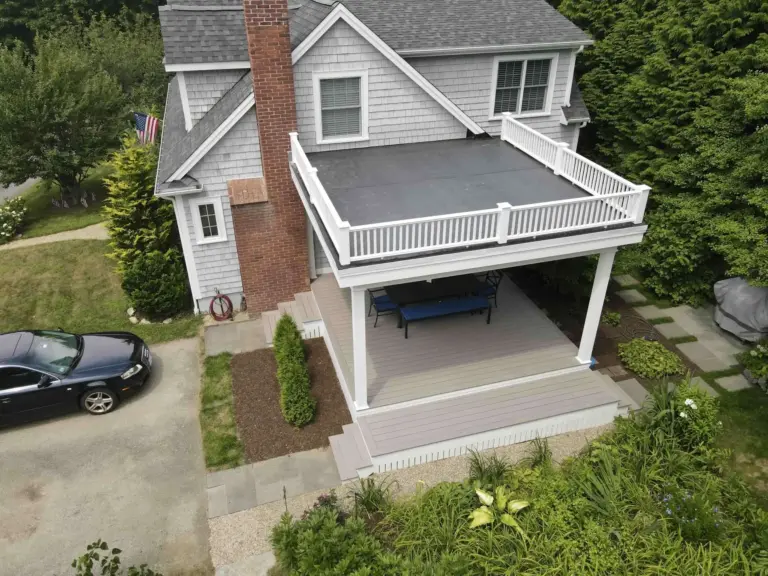
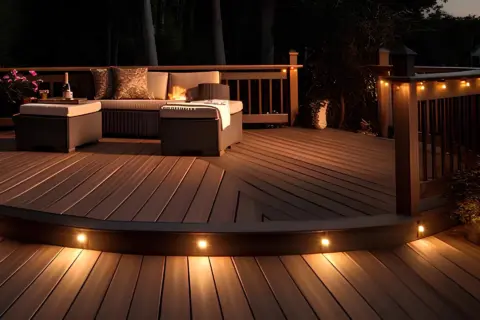
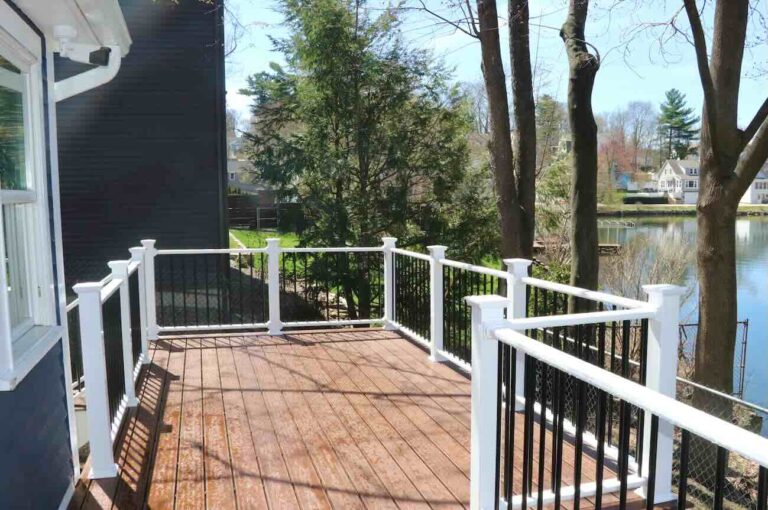
Then exposure. Connecticut's statewide design values put ground snow load at 30 pounds per square foot with a winter design temperature of 7 degrees and severe weathering, but wind is handled separately and the shoreline does not behave like the interior. A deck sitting open to the Sound takes wind loading and salt-laden air that an inland deck never sees. That shows up less in the framing and more in the hardware: connectors, fasteners, and railing components in a coastal setting need corrosion resistance specified deliberately rather than defaulted to whatever is standard. Salt air will find an under-specified fastener years before it finds a joist.
Deck, porch, and outdoor living construction for New Haven and the surrounding shoreline towns.
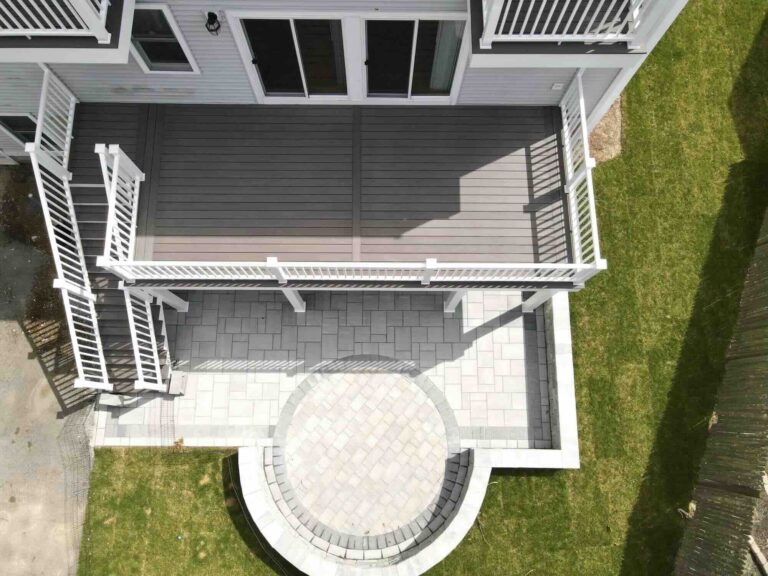
Custom decks in wood, composite, and PVC, designed around your home's grade, exposure, and how you actually use the yard.
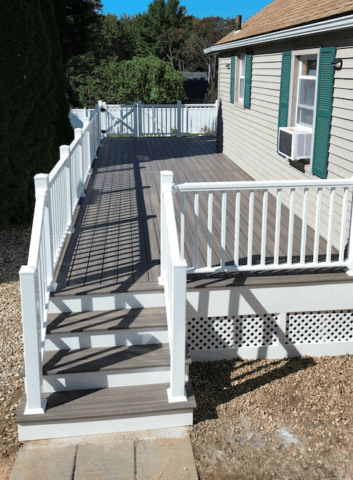
Trex and TimberTech composite surfaces that hold up to sun, moisture, and coastal air without a refinishing cycle.
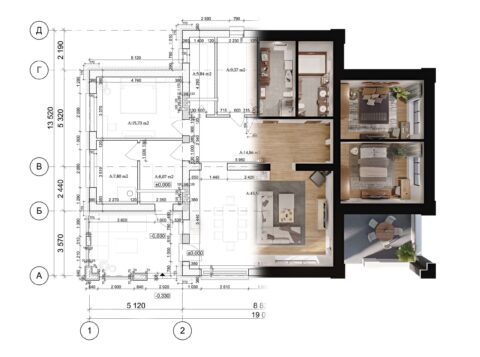
Structural plans and detailing, including the drawings a coastal site plan review will require where a property sits inside the coastal boundary.
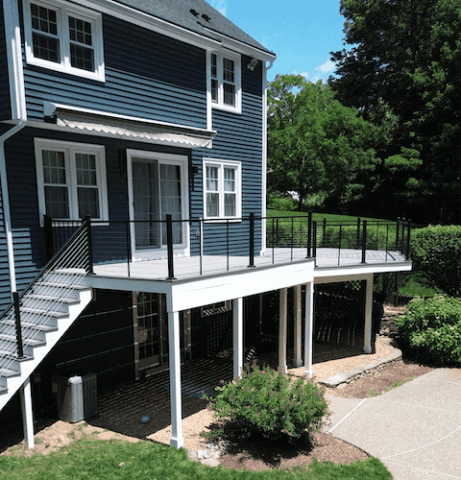
Design consultation, 3D rendering, permitting, footings, framing, and construction handled end to end.
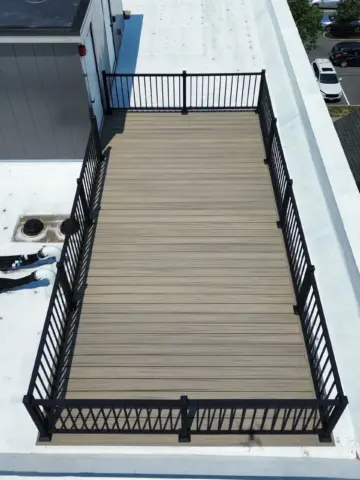
Wood, composite, aluminum, glass, and cable systems, with hardware specified for the exposure the deck actually sits in.
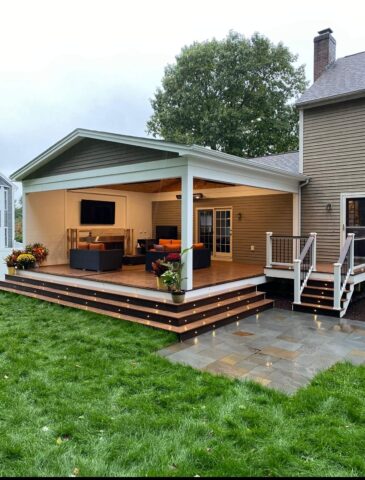
Roofed outdoor space built with posts and footings sized for roof load on top of wind and snow load.
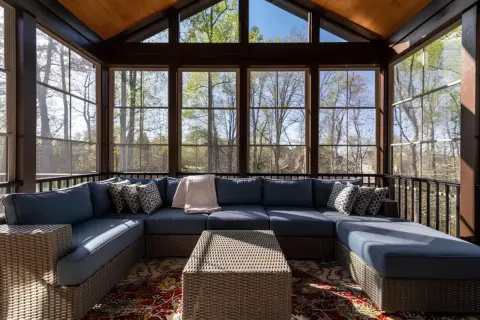
Screened space that extends the season on both ends.
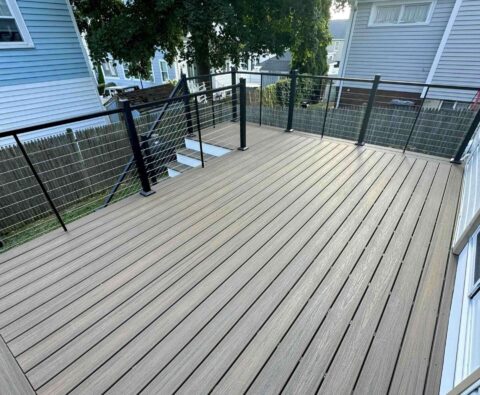
Structural assessment and repair for decks showing corrosion at the connections, ledger rot, or footing movement.
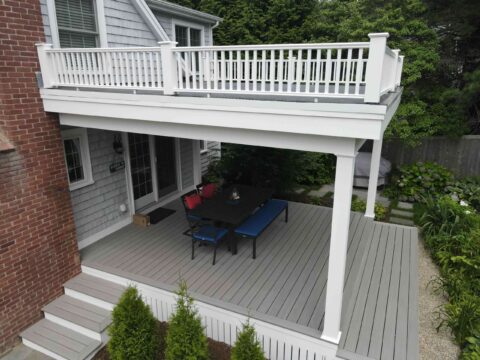
Gutter-and-channel systems that turn the space beneath a raised deck into dry, usable outdoor living area.
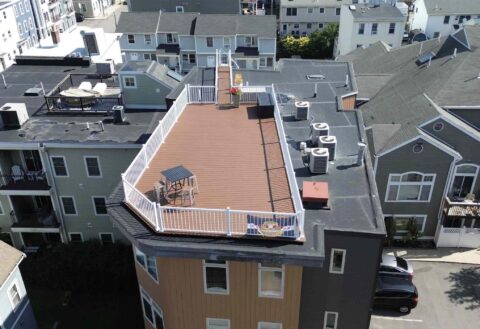
Decks and rooftop structures for Worcester businesses and multi-family properties, built to commercial standards.
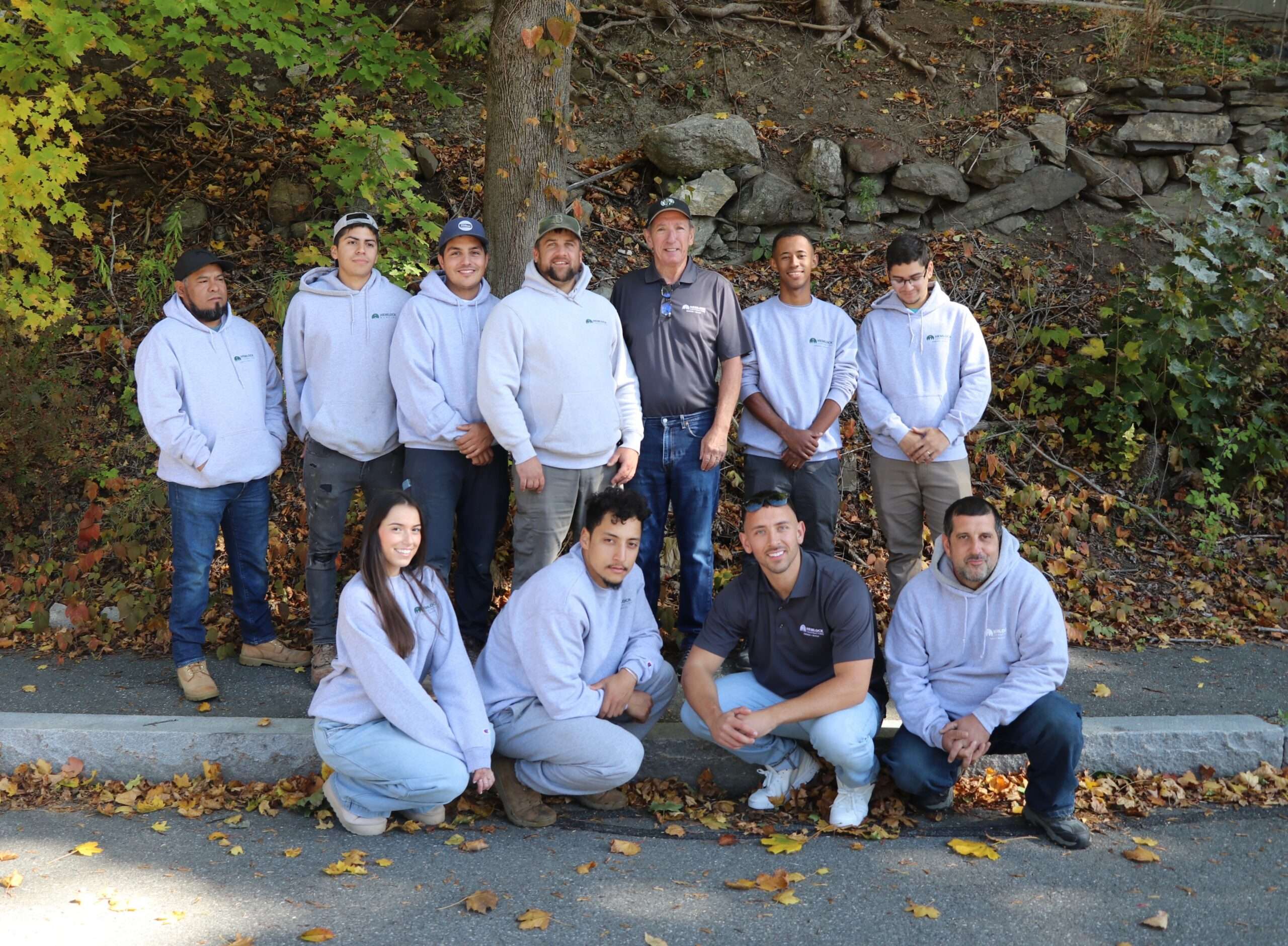
Hemlock is a second-generation carpentry business. The owner started under another contractor in his late teens, went into business with his father, and over time narrowed the company from general contracting down to exteriors and then to decks, porches, and outdoor living. The company has been building since 2012. A design and plastics background sits behind that, including work with extrusion, the process that produces the composite boards most of these decks are built from. Understanding a material from the manufacturing side is uncommon in this trade and it shows up in how things get specified, which matters more than usual in a coastal setting.
Warranty. Materials are covered by the manufacturer's warranty, which runs with the product and is issued by Trex, TimberTech, or whichever brand is specified. Workmanship is covered separately by us: one year on base-level materials and three years on premium materials. Those are two different things and we keep them described separately so there is no confusion about who stands behind what.
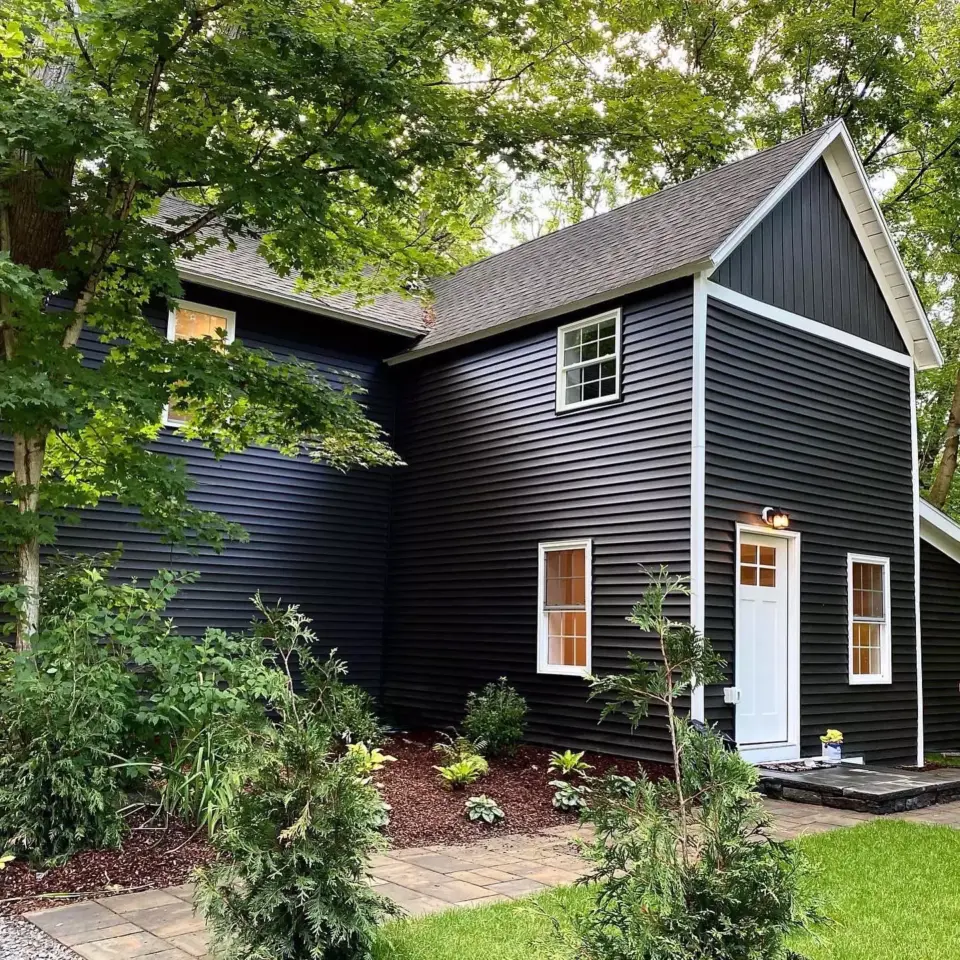
Serving New Haven and the surrounding towns.




