
MA CSL #CS-115640
MA HIC #201757
TrexPro® Platinum Installer
BBB A+ Accredited
Building Since 2012
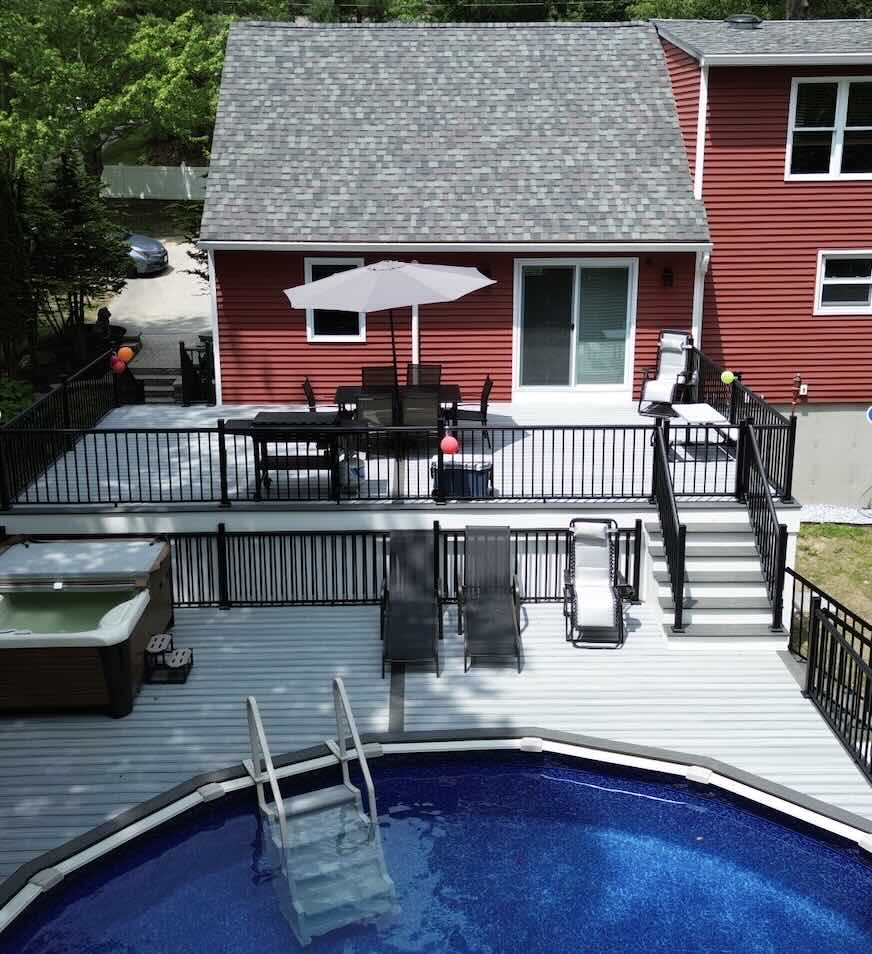
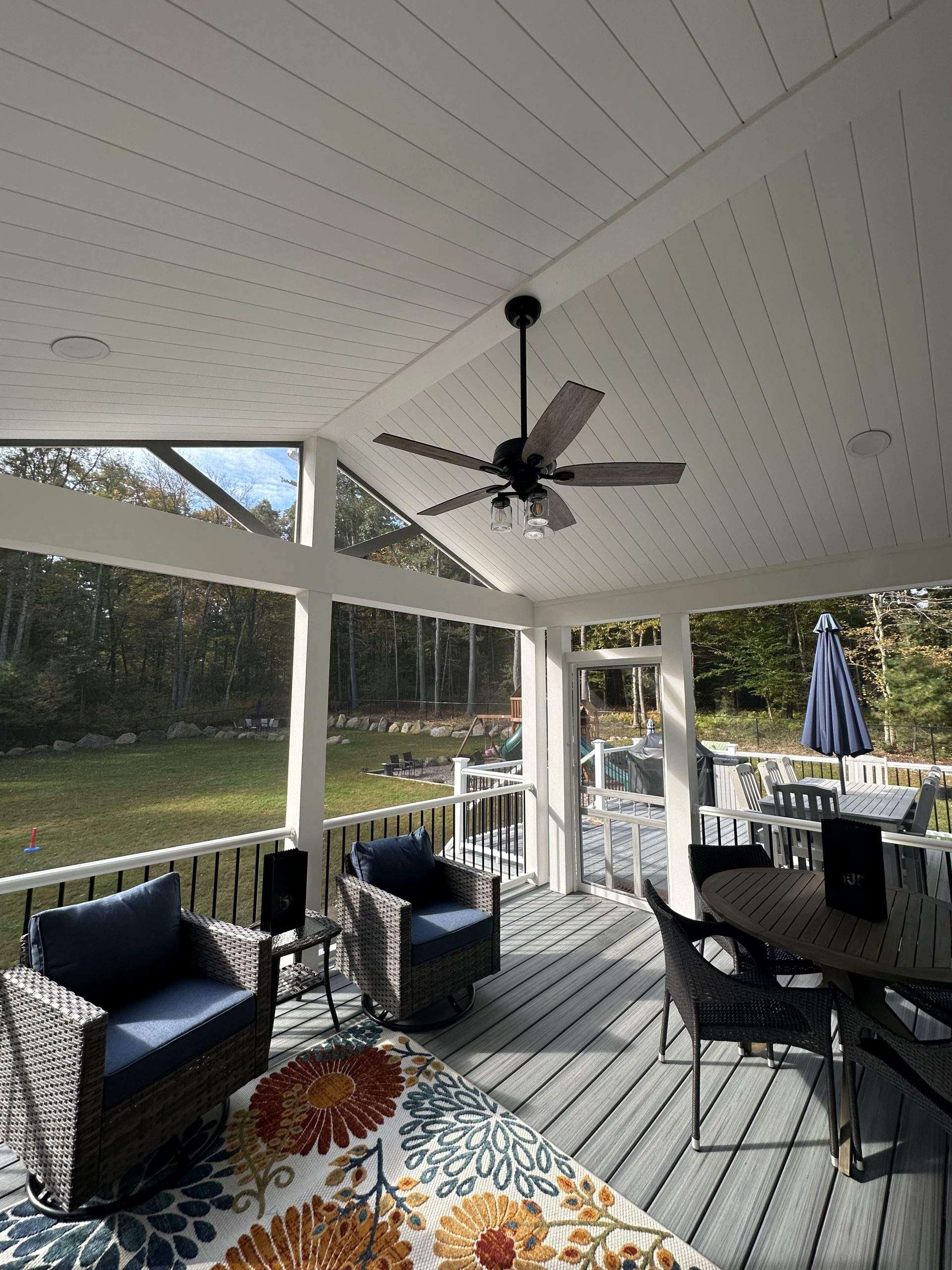
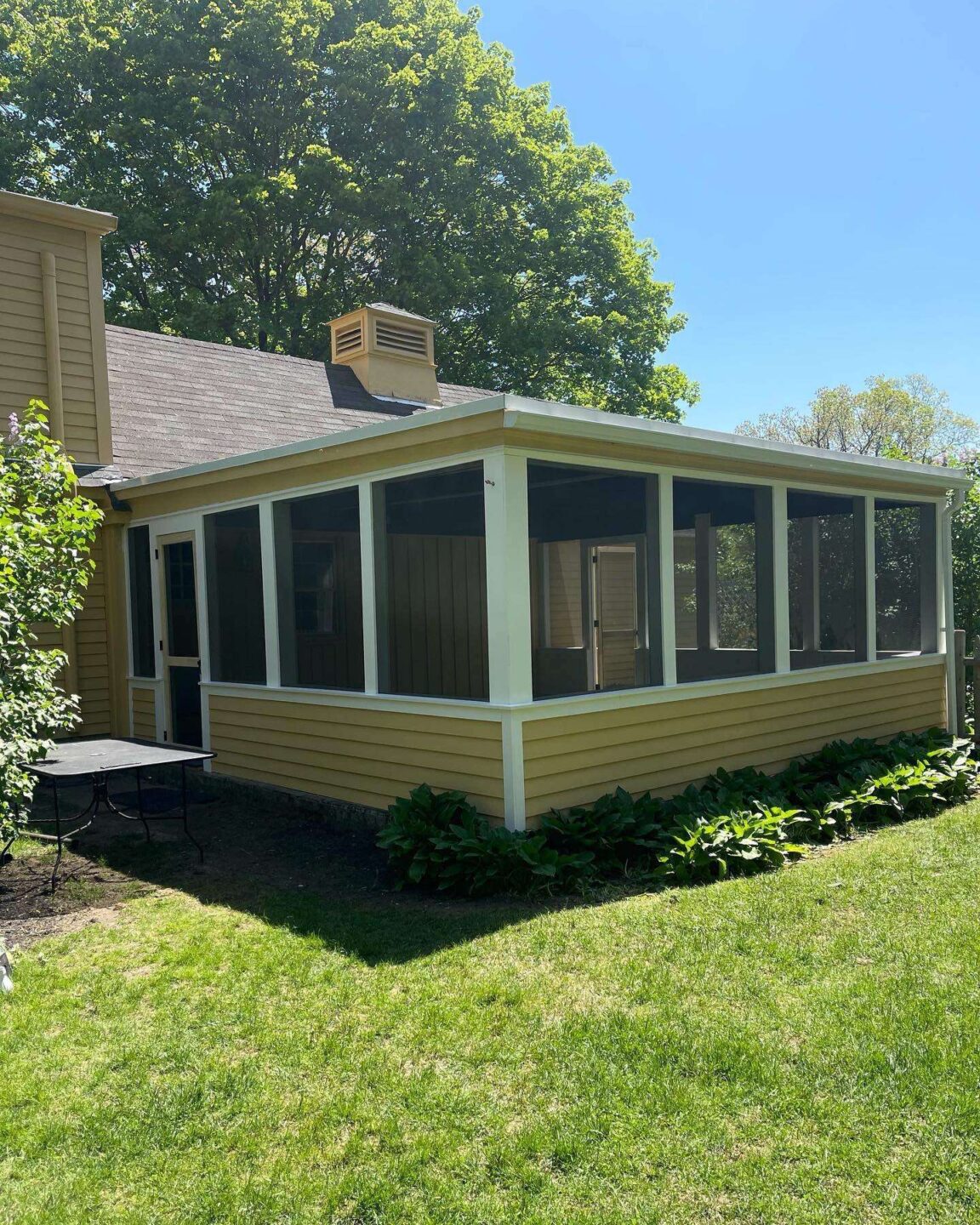
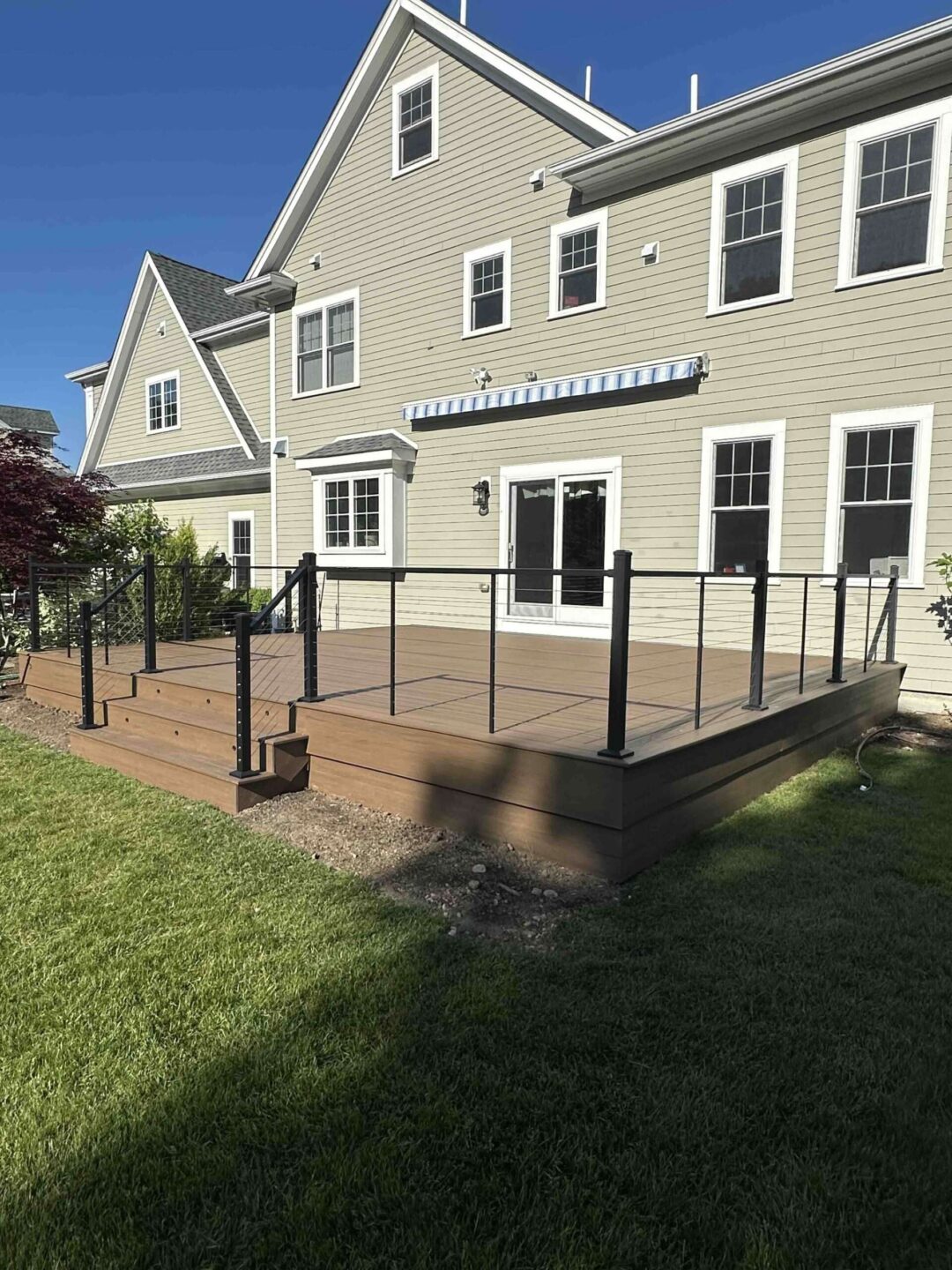
Massachusetts sets its frost line at 48 inches statewide, so every footing carrying deck load bears at four feet. In Woburn the depth is rarely the hard part. What the footing lands on is.
The city sits over a deeply buried glacial valley. USGS mapping of the Mystic Lakes area describes a preglacial valley running down through Woburn and Winchester toward Arlington, since filled with glacial deposits. Till covers the higher ground bordering that valley, while stratified sand and gravel predominate in the low ground, laid down by meltwater rather than dropped directly by ice. Bedrock underneath is granite and schist, and the rock surface undulates, with no consistent depth across the city. The part that matters most for footings is what sits in the low ground along the Aberjona corridor: peat. Studies of the river valley record organic peat deposits running up to seven feet deep beneath and beside the channel. Peat is compressible and holds water, and a footing bearing on it will keep settling long after the concrete has cured. On a lot near the river, near Horn Pond, or in any of the low wet ground between them, establishing what is actually under each footing location is not optional.
Then the wetland layer, which is where Woburn genuinely differs from most of the towns around it. The Conservation Commission administers the state Wetlands Protection Act alongside the city's own Wetlands Ordinance, and it claims jurisdiction over land within 150 feet of a wetland rather than the 100 feet the state sets, plus 200 feet of riverfront along a river. Decks are named directly in the Commission's policies: the Conservation Administrator can sign off on a building permit for a deck between 100 and 150 feet from a resource area, while anything closer gets a case-by-case determination, and groundwork within 50 feet requires a full Notice of Intent rather than the lighter filing. The Commission also holds a 25-foot no-disturb line at the wetland boundary and expects special justification for anything inside it. Practically, that means a Woburn deck near water is a two-track approval, not one, and the conservation track can be the slower of the two.
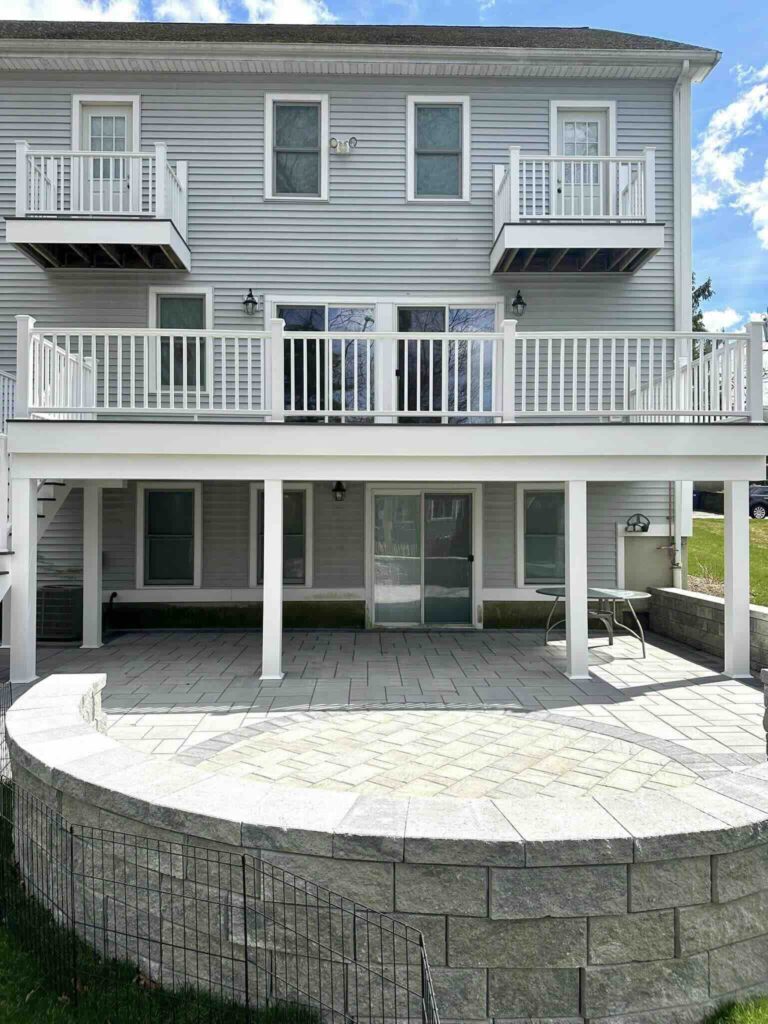
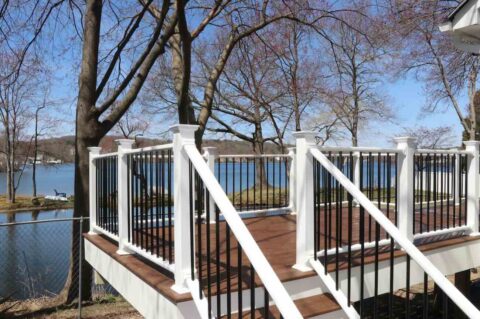
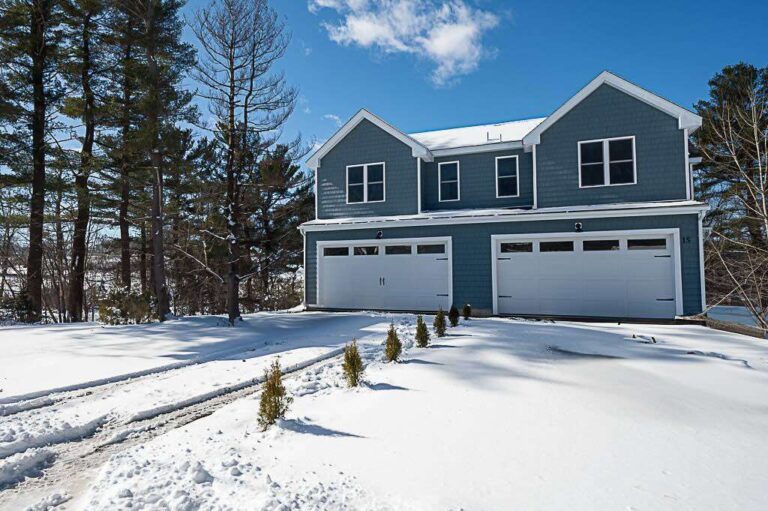
Snow load is the last piece. Massachusetts does not publish one number for the state the way Connecticut does. It assigns a ground snow load to every city and town individually, and residential values across the Commonwealth run from 25 to 50 pounds per square foot depending on where you are. Towns bordering each other can carry different figures, so a deck detailed from a plan drawn for a neighboring town will not necessarily size correctly here. Massachusetts also formally recognizes the American Wood Council's prescriptive deck guide, DCA6, as an alternative design path in the residential code, and it is the reference most inspectors in this state work from when checking framing and connections.
Deck, porch, and outdoor living construction across Woburn and the surrounding Middlesex County towns.
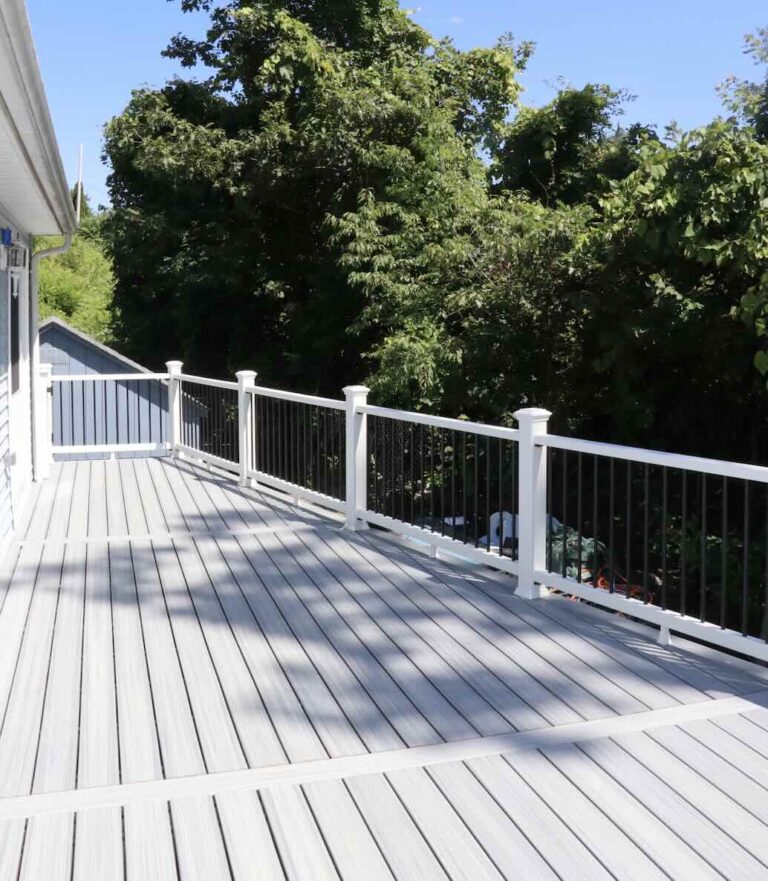
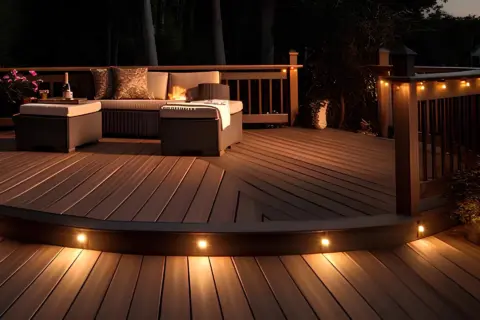
Custom decks in wood, composite, and PVC, designed around your home's grade, exposure, and how you actually use the yard.
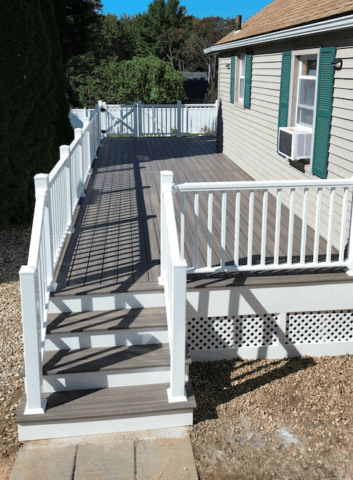
Trex and TimberTech composite surfaces that handle freeze-thaw and damp ground without a refinishing cycle.
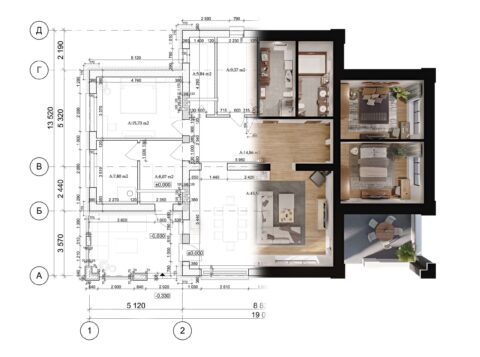
Structural plans and detailing, including drawings for building and conservation filings where a project sits near a wetland buffer.
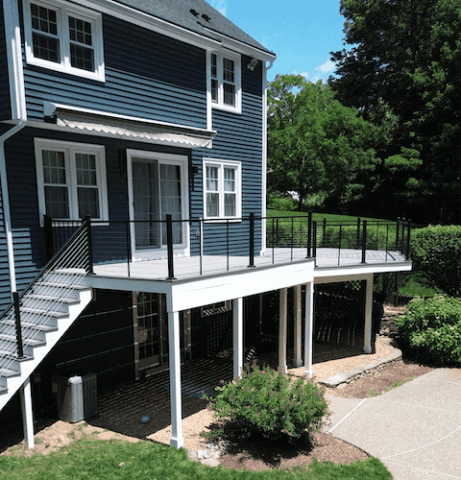
Design consultation, 3D rendering, permitting, footings, framing, and construction handled end to end.
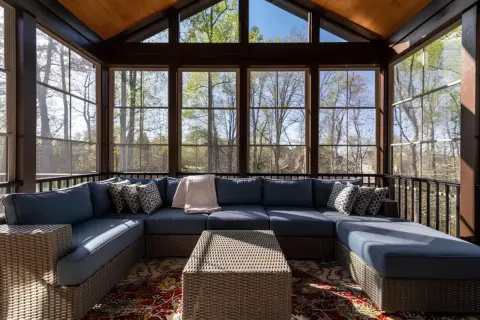
Screened space that extends the season on both ends, which matters more than usual on a lot near standing water.
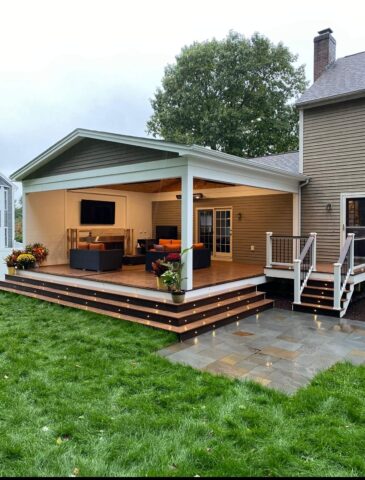
Roofed outdoor space built with posts and footings sized for roof load on top of snow load.
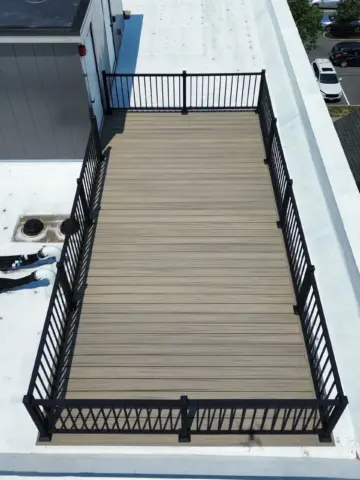
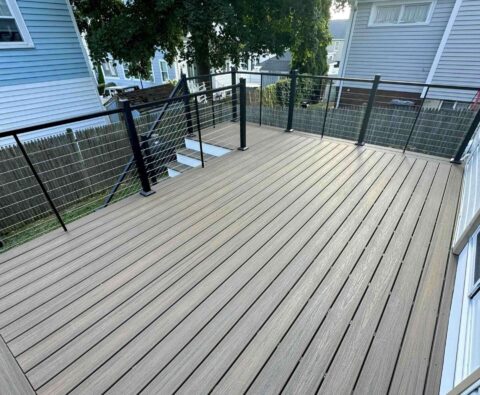
Wood, composite, aluminum, glass, and cable systems built to code height and baluster spacing.
Structural assessment and repair for decks showing settlement, ledger rot, or footings that never found bearing.
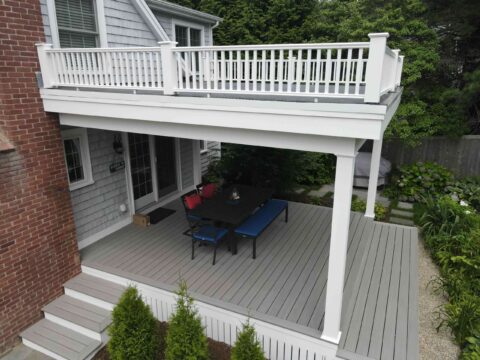
Gutter-and-channel systems that turn the space beneath a raised deck into dry, usable outdoor living area.
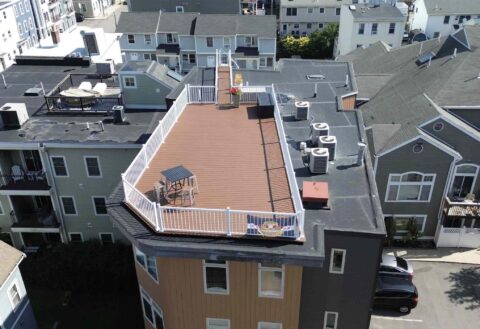
Decks and rooftop structures for Worcester businesses and multi-family properties, built to commercial standards.
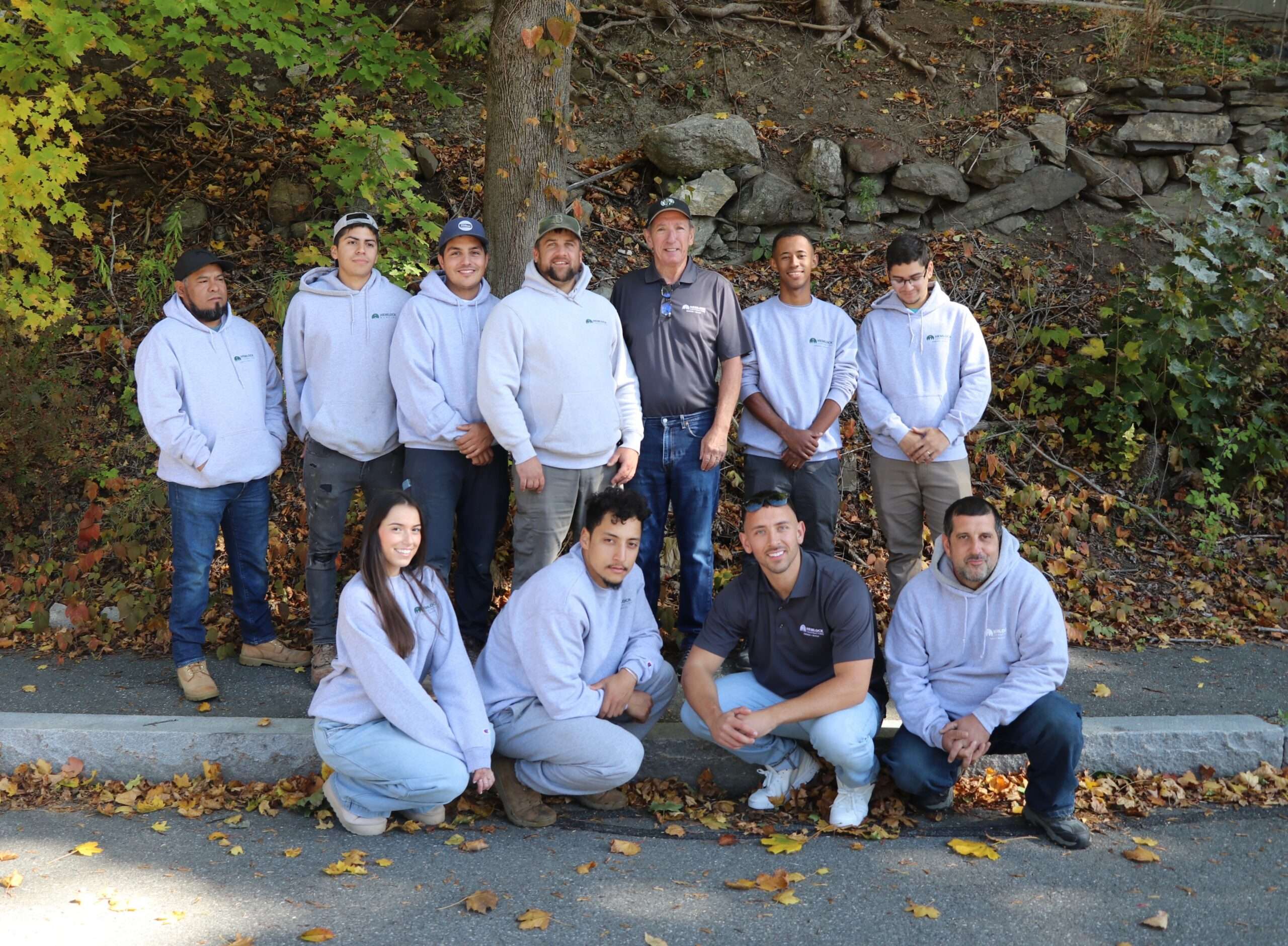
Hemlock is a second-generation carpentry business. The owner started under another contractor in his late teens, went into business with his father, and over time narrowed the company from general contracting down to exteriors and then to decks, porches, and outdoor living. The company has been building since 2012. A design and plastics background sits behind that, including work with extrusion, the process that produces the composite boards most of these decks are built from. Understanding a material from the manufacturing side is uncommon in this trade and it shows up in how things get specified.
Warranty. Materials are covered by the manufacturer's warranty, which runs with the product and is issued by Trex, TimberTech, or whichever brand is specified. Workmanship is covered separately by us: one year on base-level materials and three years on premium materials. Those are two different things and we keep them described separately so there is no confusion about who stands behind what.
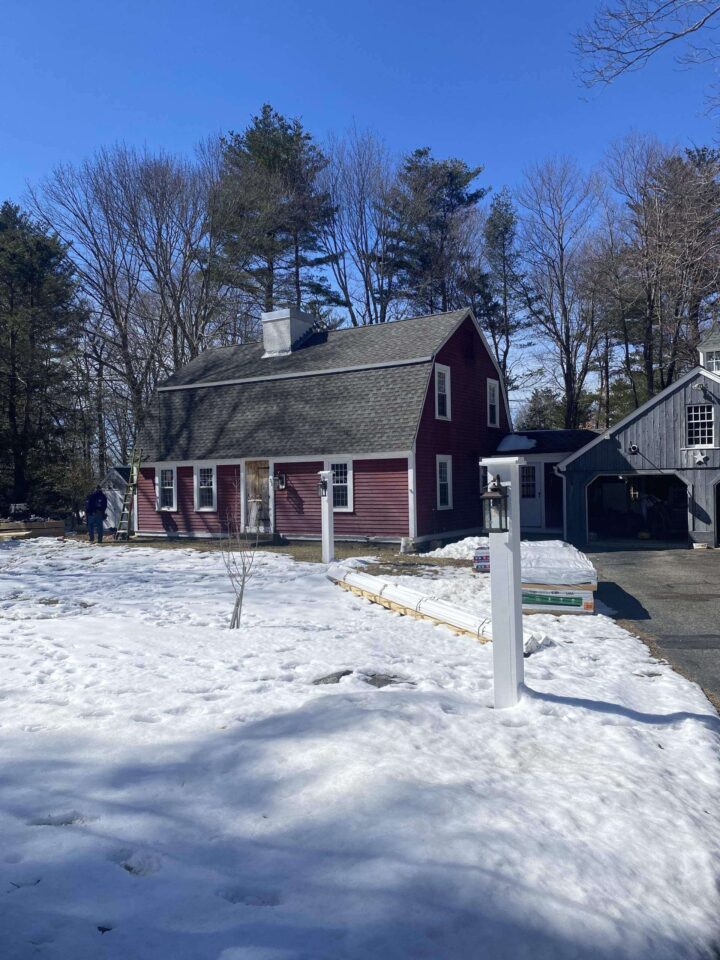
Serving Woburn and the surrounding Middlesex County towns, including Winchester, Stoneham, Burlington, Reading, Wilmington, and Wakefield.




